All Categories
Featured
Table of Contents
The platform determines indications such as focus time, meeting load, cooperation intensity, and responsiveness. These signals help organizations assess whether workers have adequate uninterrupted time to perform core work and whether partnership is enabling or impeding productivity. By examining these patterns gradually, Worklytics makes it possible for organizations to discover patterns that directly impact business performance, including growing meeting overhead, increasing after-hours work, or decreasing execution capability.
Worklytics allows benchmarking throughout teams, departments, and period, offering a clear view of productivity circulation within the company. Leaders can identify which operating models support higher output and which introduce friction. Test report of Worklytics in Workplace Analytics BenchmarksTrend analysis allows organizations to track whether efficiency is enhancing or degrading as the organization scales, reorganizes, or embraces brand-new tools.
Worklytics is developed with business personal privacy requirements as a fundamental concept. All productivity information is aggregated and anonymized, with no individual-level reporting and no access to message or document material. Only metadata is evaluated to comprehend work patterns at scale. Privacy design of WorklyticsThis design makes sure that productivity measurement stays concentrated on systems and workflows instead of specific surveillance.
Enhancing Infrastructure Efficiency Performance and Governance
Worklytics supports major business privacy and information protection standards, making it appropriate for global companies. Worklytics is not limited to reporting metrics. Its dashboards are developed to support decision-making by connecting productivity patterns to organizational outcomes. Leaders can assess the effect of operational changes such as conference policy modifications, tooling debt consolidation, or work rebalancing, and observe how performance reacts.
Instead of relying on intuition or anecdotal feedback, companies can use Worklytics information to make targeted, evidence-based modifications that enhance business efficiency in time. Worklytics enables companies to determine business productivity where it really lives: in how work flows throughout groups, tools, and time. By focusing on execution capacity, cooperation effectiveness, and focus conservation, the platform supplies a practical foundation for improving performance at scale.
Reducing Enterprise Infrastructure Outlays in 2026In an age where insight beats instinct, Worklytics supplies the visibility you require to drive performance to new heights. Enterprise productivity determines how efficiently a company converts labor and resources into business output. It straight impacts profitability, scalability, and operational performance. Without measurement, ineffectiveness compound and performance wears down. Organizations that actively measure efficiency consistently exceed those that do not.
Understanding work ought to be determined through outcome-based indicators rather than activity. Pertinent metrics consist of completed deliverables, development versus objectives, quality of output, and business impact.
Essential Efficiency KPIs for 2026 Enterprise
Increase operational effectiveness to avoid costing your company 5 to 25 percent of sales income. Companies with strong functional efficiency achieve 25 percent greater development and 75 percent greater efficiency than rivals. Methodically determining bottlenecks through worth stream mapping and cross-functional cooperation produces immediate opportunities to remove waste and enhance operations.
Developing appropriate KPIs and constantly keeping track of process efficiency creates a framework for sustainable enhancement. There are tangible, quantifiable financial effects derived from a process quality program and increasing operational performance.
A procedure excellence regime inproves a company's financial efficiency with tangible, measurable results.
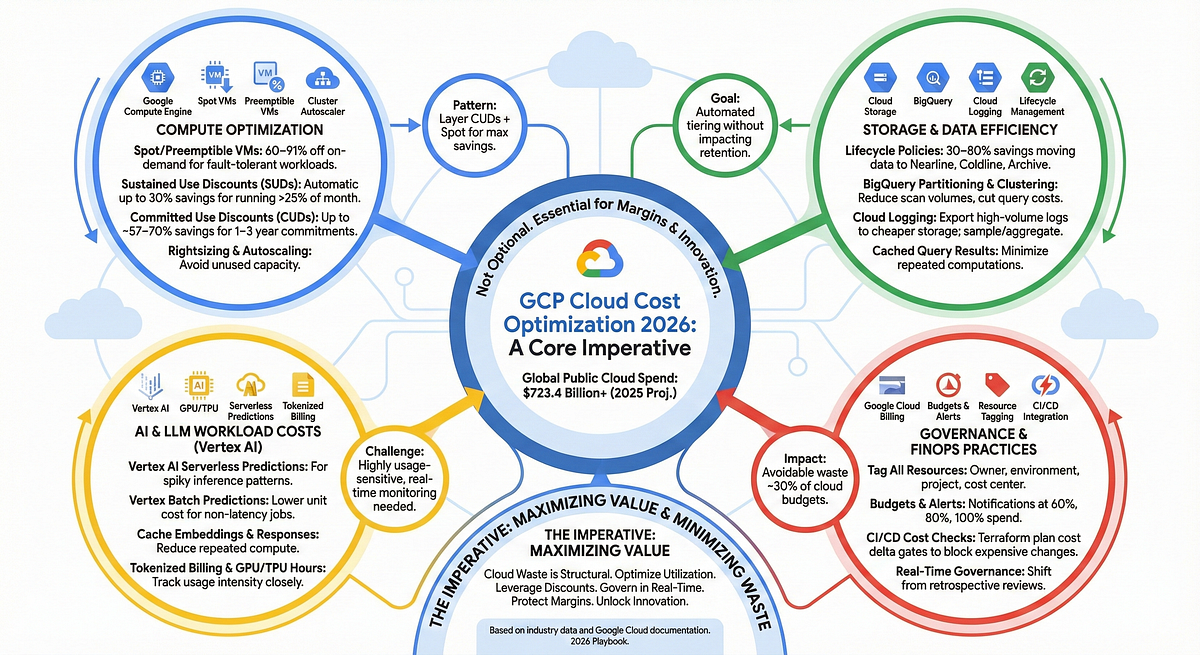
It straight equates to enhanced financial efficiency by lowering waste, expediting work, and cutting expenses across labor, resources and operations. Process quality concentrates on several locations, consisting of procedure improvement techniques, analytical, change management, efficiency and efficiency, and culture. By learning where sloppiness and lack of organization hinder procedures, and then removing those faults, procedure excellence saves money on labor, mistake decrease, resources, and functional expenses all to the benefit of profitability.
To improve your company's monetary efficiency through functional efficiency, follow these 6 actions. Start by comprehensively reviewing your essential organization procedures to recognize which existing procedures are ineffective.
Structuring Future Asset Management Systems
Boost functional performance to avoid costing your company five to 25 percent of sales profits. Companies with strong operational performance achieve 25 percent greater growth and 75 percent greater efficiency than competitors. Methodically determining bottlenecks through value stream mapping and cross-functional collaboration produces immediate opportunities to eliminate waste and enhance operations.
Developing appropriate KPIs and continually keeping an eye on process efficiency produces a structure for sustainable enhancement. There are concrete, quantifiable monetary effects obtained from a procedure excellence program and increasing operational performance.
A procedure quality program inproves a business's monetary performance with concrete, quantifiable outcomes. While many business focus on market adaptability and product innovations, the most substantial monetary gains frequently come from enhancing existing operations through structured process improvement. Harvard Service Review research reveals that companies with strong functional effectiveness can obtain 25 percent higher development and 75 percent higher productivity than rivals.

It straight translates to enhanced financial efficiency by decreasing waste, accelerating work, and cutting expenditures throughout labor, resources and operations. Process excellence concentrates on several areas, consisting of procedure improvement strategies, problem-solving, modification management, efficiency and performance, and culture. By finding out where sloppiness and lack of organization hinder processes, and after that eliminating those faults, process quality saves money on labor, error decrease, resources, and functional expenses all to the benefit of profitability.
Next-Generation Cloud Spend Planning
As a continuous method, procedure excellence is constantly looking for chances to enhance processes, increase performance and, in doing so, improve results constantly. To enhance your company's financial performance through operational performance, follow these six actions. Start by comprehensively reviewing your key service processes to recognize which existing processes are inefficient.

Latest Posts
Refining Corporate Resource Allocation Frameworks
How to Refine IT Spending in 2026
Comparing Decentralized Cloud Infrastructure Models for 2026