All Categories
Featured
Table of Contents
By keeping track of cloud resources and their associated expenses, business can make informed decisions that line up with their financial and strategic objectives. In essence, cloud asset management isn't simply a side componentit's a foundation of digital improvement strategies. It makes sure that companies can scale effectively, control expenses, and keep the dexterity needed to adjust to ever-changing market demands.
The Challenge of Managing Hyperscale Costs Across BordersManaging cloud assets is important for organizations due to: Avoiding over-provisioning and removing unused cloud resources. Guaranteeing governance and adherence to industry regulations. Streamlining workflows and automating resource allowance. Gaining insights into cloud use and avoiding shadow IT. Bridging the gap in between on-premises identity systems and cloud-native identity and gain access to management (IAM) services can greatly enhance both security and user experience.
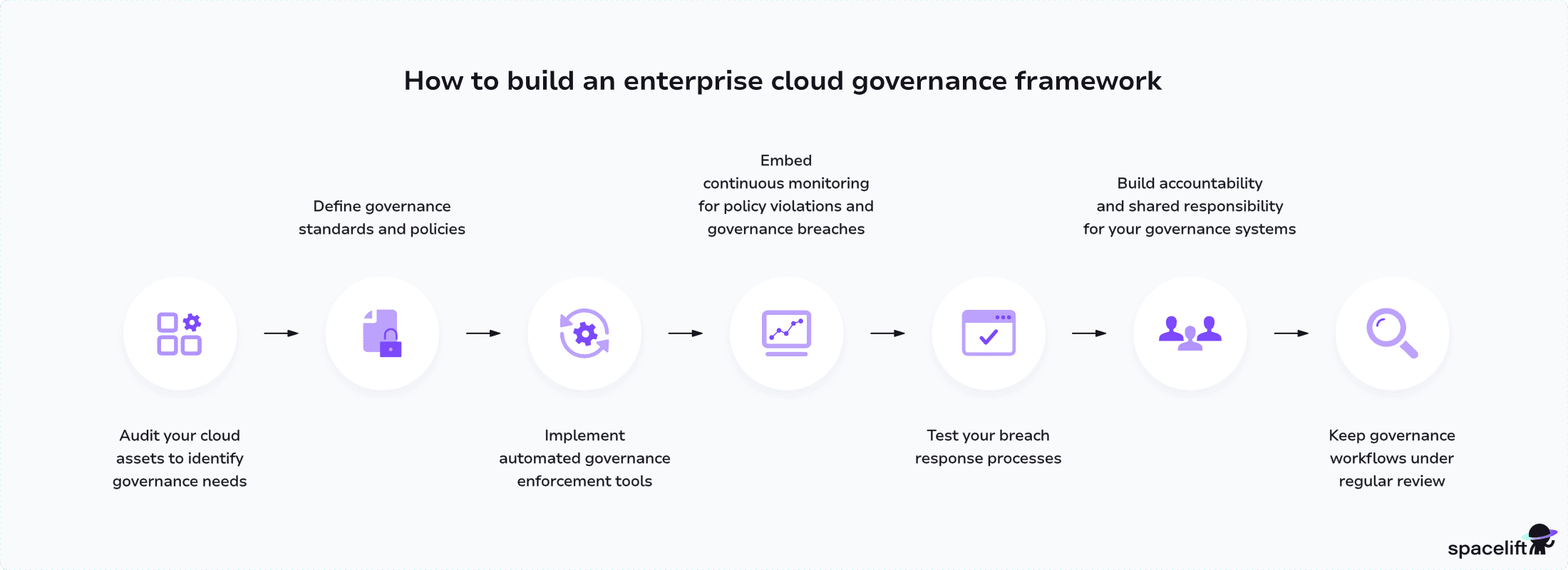
By leveraging these integration options, organizations can allow single sign-on (SSO) for cloud-hosted work. This improves authentication, letting users access resources with their familiar credentials while maintaining central identity management. The secret is to set up IAM controls so that roles and approvals mirror just what each user needsadhering closely to the principle of least advantage.
To safeguard delicate information in the cloud, companies should implement robust file encryption both in transit and at rest. Consider these proven methods: Usage industry-standard protocols such as TLS (Transport Layer Security) to encrypt data as it moves between gadgets and cloud services. Safe information at rest using algorithms like AES-256, making sure files stay protected even if storage resources are compromised.
Using Efficiency Metrics to Drive Cloud ROI
By using these strategies, organizations can substantially enhance their information security posture in any cloud environment. To boost cloud perimeter security beyond fundamental steps, companies can use a variety of specialized tools.
These tools offer deep packet inspection, evaluate network traffic for indications of malicious activity, and can instantly react to block or signal on threats as they develop. For even greater exposure, consider services that provide real-time traffic analysis and habits tracking. This proactive approach helps detect abnormalities and possible breaches early, reinforcing your protective perimeter.
A crucial piece in the cloud security puzzle is the shared duty model. This framework plainly marks where the cloud company's security tasks end and where yours beginthough the boundaries shift depending on your picked cloud service model: Facilities as a Service (IaaS), Platform as a Service (PaaS), or Software Application as a Service (SaaS).
Top Strategies for Better IT Asset Allocation
However, you, the customer, are accountable for securing whatever you build atop that facilities. This covers from setting up OS spots and managing network security controls to setting up firewalls and shielding your virtual devices with malware protection.: With PaaS, the provider extends their protective reach to include the platform itselfthink managed operating systems and middleware.
You'll need to implement strong gain access to controls, safe and secure delicate details, and monitor your hosted applications.: SaaS environments offload the bulk of security management to the provider. They're entrusted with securing the application stack, underlying operating systems, and network settings. Your main focus shifts to securing user gain access to, handling usage policies, and protecting your company's data within the application.
Leverage both built-in and third-party security tools to strengthen the locations under your control. Keep access policies, keeping track of practices, and information defense procedures approximately date, no matter your cloud intake design. Cloud security isn't one-size-fits-all, however with a clear grasp of your function in this collaboration, you set the stage for a more secure, more resistant environment in the cloud.
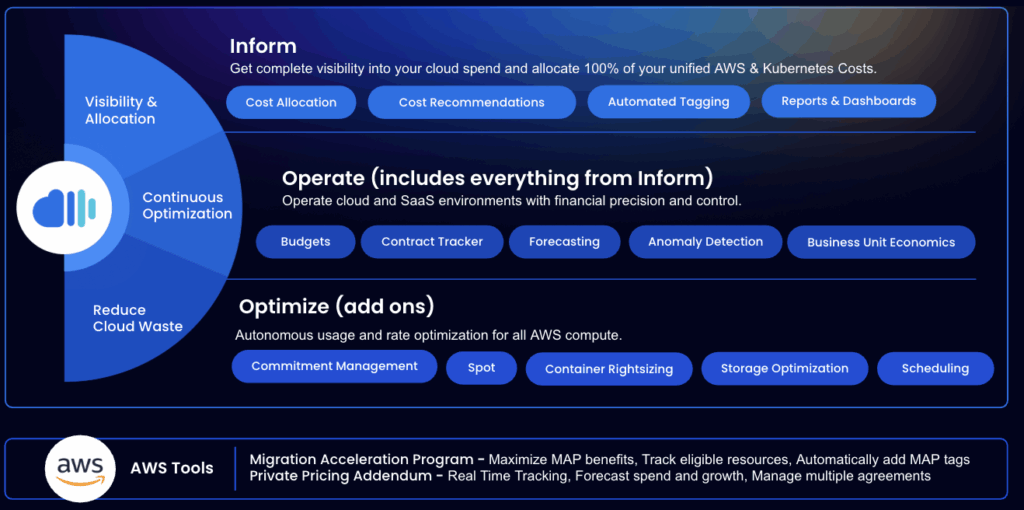
Instead of managing a patchwork of disparate toolseach with its own control panel and learning curvesecurity teams get one detailed view into endpoints, work, identities, and information security. This debt consolidation reduces complexity, making it easier to track potential hazards as they unfold, without the need to hop between various user interfaces to get the full image.
Key Methods for Better IT Resource Allocation
By managing protections, monitoring, and policy release from a main console, groups are empowered to implement constant security steps across accounts, areas, and tasks in one go. This approach lessens the overhead of handling several licenses, minimizes administrative concern, and guarantees policies are implemented uniformly. Eventually, combining security controls boosts exposure, effectiveness, and agilitycore components for keeping pace with progressing cloud needs.
Rather than leaving teams to scramble in the middle of chaos, these strategies use a clear course of action need to an event occur. With predefined responsibilities and structured workflows, everyone understands their rolethink of it as assigning seats on a lifeboat before the storm hits. Having this framework in place yields several crucial advantages: Immediate and coordinated action assists consist of threats before they mushroom.

Latest Posts
Refining Corporate Resource Allocation Frameworks
How to Refine IT Spending in 2026
Comparing Decentralized Cloud Infrastructure Models for 2026