All Categories
Featured
Table of Contents
Blog Laura Koetzle September 9, 2024 Upbeat spending plan expectations for 2025 will serve European leaders well, but placing the best bets will be critical to protecting a competitive edge. Read a few of our top suggestions. Blog According to Forrester data, 95% of APAC innovation decision-makers expect increased IT budgets next year.
Get insight into where to invest, where to cut, and where to experiment with your 2025 IT spending plan. Blog Site Brittany Viola August 13, 2024 As portfolio marketing and product management leaders head into budget planning season, utilize these 4 action items to assist your work. Podcast Organization and tech leaders anticipate (somewhat) larger spending plans next year.
Blog Site Today, Forrester released our 2025 Spending plan Preparation Guides. It's always an interesting time when we collect survey information and insights from our client discussions to produce a set of cumulative recommendations that B2B marketing executives should consider for the year ahead. Read listed below for this year's essential preparation guide highlights.
Get practical suggestions on where to invest your tech budget plan in 2025 to accomplish much better service results. Blog Getting consumer experience back on track will need doubling down on what matters most to clients. Check out a few of our recommendations for 2025.
Next-Gen Cloud Asset Tracking for Cost Governance
IT budget plan preparation is basically the method a business uses to approximate, allocate and manage its costs on innovation so that it can attain its service objectives. This means initially learning present and future IT requirements like hardware, software application, cloud services, cybersecurity, and workers and then appointing money to each appropriately.
A good IT budget strategy makes it possible for a company to cater for its growth, reduce risks, and be versatile enough in terms of technological changes. The old frame of mind of "change hardware, renew licenses, fix what breaks" no longer fits today's landscape. Technology now touches every corner of an organization: security, development, compliance, productivity, client experience, and catastrophe healing.
Cloud platforms and SaaS tools have unpredictable billing designs. In short: 2026 is the year when reactive IT budgets will cost more than proactive ones. If your IT budget plan procedure hasn't progressed in the last few years, this guide will assist you capture up quickly.
Predictive Models: The Cure for Unexpected Budget BlowoutsA predictable budget matters. A deliberate budget plan for IT matters is a lot more crucial. Below are the must-have elements of a modern-day, practical IT budget. Cyber insurance companies, auditors, and assailants all have one thing in typical: they're raising the stakes. Budgeting for cybersecurity isn't optional. It's survival. What to consist of:24/ 7 monitoring (SOC, SIEM, MDR)Next-gen anti-viruses and endpoint detectionMulti-factor authentication and identity toolsSecurity awareness trainingIncident response retainersCyber insurance coverage (with stricter requirements)Here's a fast IT budget example: numerous organizations invest 1015% of their total IT spend in security layers.
Predictive Models: The Cure for Unexpected Budget BlowoutsReducing Enterprise Infrastructure Costs in 2026
Cloud is hassle-free and silently pricey when unmanaged. What businesses are experiencing: Expense spikes from unused resourcesAuto-renewed SaaS subscriptions nobody usesStorage costs growing quicker than expectedRogue staff member tools ("shadow IT")Your IT budget plan ought to particularly include: Cloud usage monitoringSaaS license auditsReserved instances vs. on-demand planningRightsizing large workloadsConsolidation of redundant appsData lifecycle management to avoid storage wasteThis is where taking aid from our Cloud Services professionals already assisting Houston companies get control of runaway cloud costs, optimize resources, and eliminate waste throughout their SaaS stack.
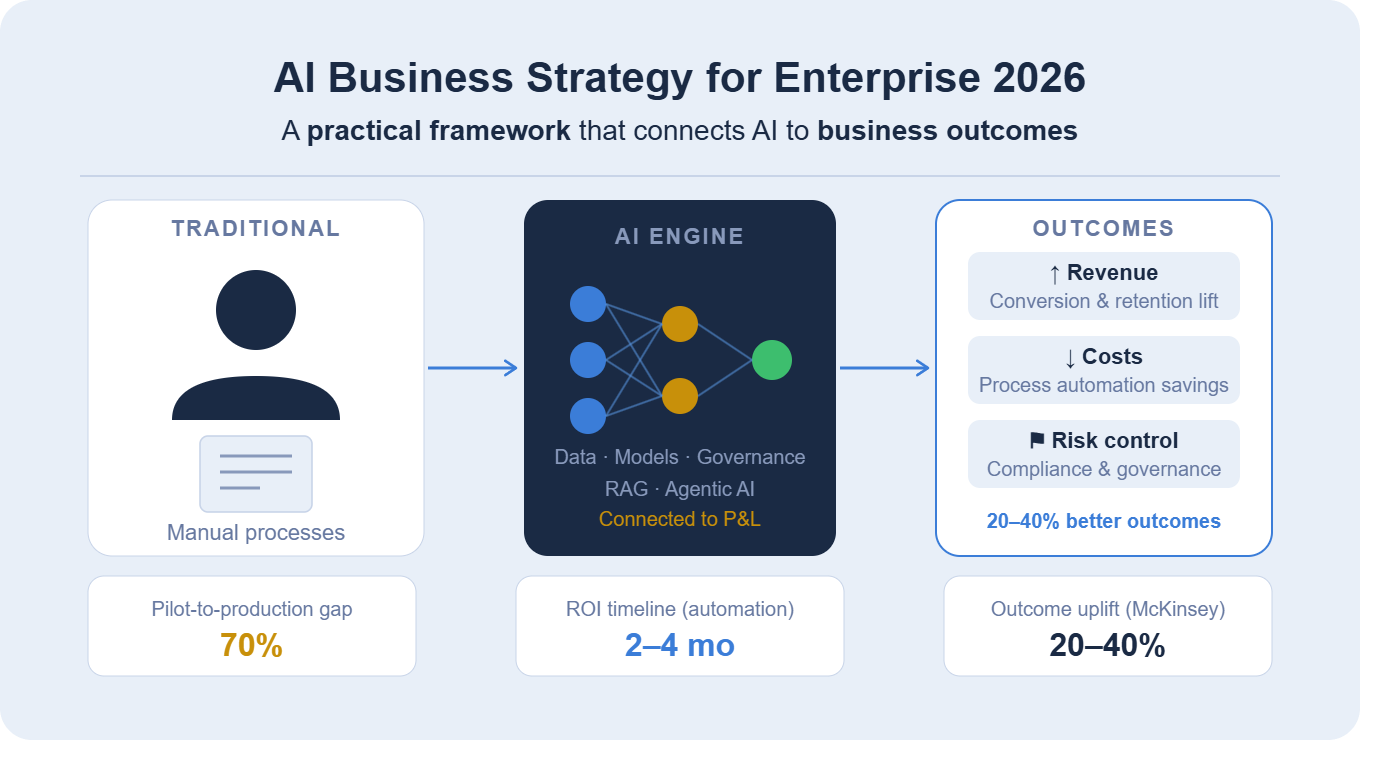
AI is no longer a future financial investment. It becomes part of everyday operations. Services are utilizing AI for: Automated helpdesk responsesSecurity danger detectionDocument and data processingReporting and analysisProcess automation in financing, HR, and operationsYour IT budgeting ought to set aside funds for: AI-enabled support toolsBusiness workflow automationAI copilots for personnel productivityTraining so workers can actually use these tools properlyCompanies executing AI successfully are seeing 2040% effectiveness boosts, quickly justifying the line item.
Avoiding hardware refreshes noises like savings up until: Gadget decrease employeesSupport tickets spikeOld gadgets present security holesSystems break at the worst possible momentA reasonable IT spending plan allowance for hardware should think about: Laptops/desktops (34 year cycle)Servers (56 year cycle)Network switches and firewallsWi-Fi upgrades (6 or 6E minimum)UPS replacementsHealthy business do not wait for things to break.
Ransomware groups now target backups first. That means the old "3-2-1 backup guidelines" are no longer enough. Your IT spending plan requirements: Immutable backupsOffline or air-gapped copiesBusiness connection planningQuarterly recovery testingCloud-to-cloud backup (Microsoft 365, Google Work area, etc)Healing is no longer about restoring files; it has to do with bring back the whole business without paying ransom.
Your training budget should include: Cyber awareness trainingAI literacy trainingOnboarding tools for brand-new hiresIndustry-specific compliance trainingAnnual policy evaluation and documentation updatesFor health care, finance, retail, and manufacturing, compliance failures now frequently cost more than security failures. Before assigning dollars, specify: Development plansTeam expansionNew services/productsWorkflow changesOperational bottlenecksTechnology supports goals; it should not determine them.

Latest Posts
Refining Corporate Resource Allocation Frameworks
How to Refine IT Spending in 2026
Comparing Decentralized Cloud Infrastructure Models for 2026